

A Complete Guide to Dental Braces: Types, Benefits and How They Work

Medically reviewed by: Dr. Sri Durga Navaneethan, M.D.S.
Specialisation: Orthodontics & Invisalign | Experience: 10+ years | Clinic: Smile Studio The Dentista, Padur, OMR, Chennai
Dental braces are orthodontic appliances used to correct crowded teeth, gaps, crooked teeth and selected bite problems. Common options include traditional metal braces, ceramic braces, lingual braces and clear aligners. The most suitable option depends on your tooth positions, bite, gum health, treatment goals and the orthodontist's clinical assessment.
Although braces can improve tooth alignment and help correct certain bite problems, not every appliance is suitable for every patient. Treatment also involves regular dental visits, careful oral hygiene and, in most cases, a retention plan after active treatment.
This guide explains the different types of dental braces, how they work, their benefits and limitations, what to expect during treatment, and the questions to ask before choosing an orthodontic treatment plan.
What Are Dental Braces?
Dental braces are orthodontic appliances designed to move teeth gradually into planned positions. They apply controlled forces that stimulate changes in the bone and supporting tissues around the teeth, allowing movement over time under professional supervision.
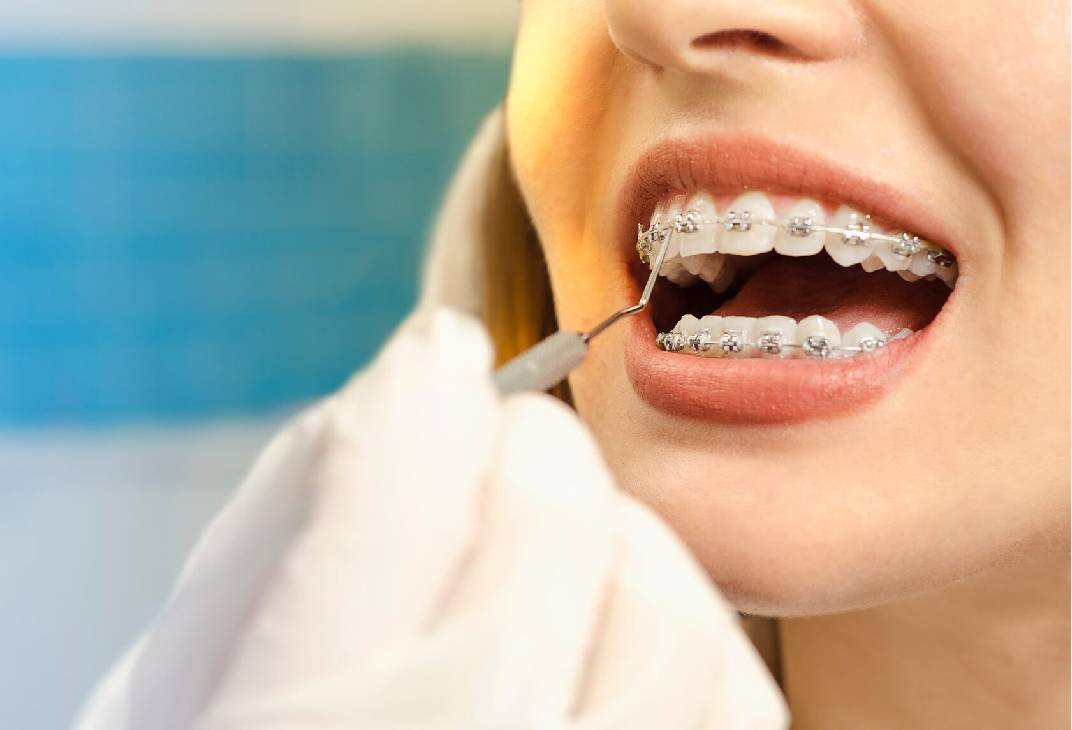
Traditional fixed braces use brackets attached to the teeth and an archwire to guide tooth movement. Other options include tooth-coloured ceramic braces, lingual braces positioned behind the teeth and removable clear aligners.
The purpose of orthodontic treatment is not limited to appearance. Depending on the condition being treated, it may also improve the relationship between the upper and lower teeth. However, braces cannot correct every dental or jaw condition, and the appropriate treatment depends on an individual clinical assessment.
What Dental Problems Can Braces Help Address?
An orthodontist may recommend braces for selected alignment and bite concerns, including:
- Crowded teeth: When there is insufficient space for teeth to align properly.
- Gaps between teeth: When noticeable spaces exist between individual teeth.
- Crooked or rotated teeth: When teeth sit at an angle or outside their intended position.
- Overbite: When the upper front teeth overlap the lower front teeth more than expected.
- Underbite: When the lower front teeth sit in front of the upper front teeth.
- Crossbite: When certain upper teeth bite inside the corresponding lower teeth.
- Open bite: When some upper and lower teeth do not meet when the mouth closes.
These conditions vary in severity. Not every alignment difference requires treatment, and some bite problems may need approaches beyond braces alone. An orthodontic examination helps determine whether treatment is appropriate and what results may realistically be achieved.
Who May Need Dental Braces?
Orthodontic assessment can be useful at different stages of life. Age alone does not determine whether someone is suitable for braces; dental development, gum health, supporting bone and the nature of the alignment problem all matter.
Dental Braces for Children
An orthodontic assessment can help identify developing alignment and bite concerns. Some children may benefit from early intervention, while others may only need monitoring until more permanent teeth have developed.
The timing of treatment should be based on the child's dental development and clinical needs rather than age alone.
Dental Braces for Teenagers
Teenagers commonly consider braces when their permanent teeth have developed. Treatment planning takes account of tooth positions, bite relationships, oral hygiene and the teenager's ability to follow instructions.
Regular appointments and good cleaning habits are important throughout treatment.
Dental Braces for Adults
Adults can also benefit from orthodontic treatment. Before recommending braces, an orthodontist should assess gum health, supporting bone, existing crowns or other restorations, and missing or damaged teeth that could affect the plan.
If you are considering dental braces because of crowding, gaps or an uneven bite, an orthodontic consultation is a useful first step before choosing an appliance.
What Are the Different Types of Dental Braces?
The main differences between orthodontic options involve appearance, how the appliance is fitted, daily maintenance and the tooth movements it can manage. The least noticeable option is not automatically the most suitable.
Traditional Metal Braces
Metal braces use brackets attached to the teeth and an archwire that guides planned tooth movement. Because they remain fixed in place, patients do not need to remember to insert them after meals or remove them for cleaning.
What to consider:
- They can treat many types of orthodontic problems.
- The brackets and wires are visible when you smile.
- Food and plaque can collect around the appliance.
- The lips and cheeks may need time to adjust.
- Follow-up appointments are needed to monitor progress and make adjustments.
Metal braces may be suitable when fixed appliances are recommended and their appearance and maintenance requirements fit the patient's preferences.
Ceramic Braces
Ceramic braces use tooth-coloured or less noticeable brackets. They are an option for patients who prefer a subtler appearance while using fixed braces. They work on a similar principle to conventional metal braces, although the bracket material and design differ.
What to consider:
- They may be less noticeable than metal braces.
- Careful cleaning around the brackets and wires remains essential.
- Certain components may be vulnerable to damage, depending on the system.
- Elastic ties, where used, can discolour.
- Suitability and cost depend on the appliance and treatment plan.
Ask your orthodontist whether ceramic braces can achieve the movements you need and how their maintenance compares with other options.
Self-Ligating Braces
Self-ligating braces use a built-in clip or mechanism to hold the archwire in place. Conventional braces commonly use elastic ligatures or another retention method. The main difference is how the wire is secured. Self-ligating braces should not be assumed to guarantee faster treatment or less discomfort.
What to consider:
- They use a different mechanism to retain the archwire.
- Their design may change certain aspects of wire handling during appointments.
- The brackets may be made from metal or other materials.
- Treatment duration and comfort still depend on the individual case and treatment plan.
When comparing self-ligating and conventional braces, ask about the expected benefits for your particular treatment rather than relying on general claims about speed.
Lingual Braces
Lingual braces are attached to the inner surfaces of the teeth, facing the tongue. Their position makes them less visible from the front than conventional fixed braces. Because the brackets sit on the tongue side of the teeth, they can feel different during the adjustment period.
What to consider:
- They offer a less visible fixed-brace option.
- Cleaning around the brackets may require additional care.
- The tongue may experience temporary irritation.
- Speech may feel different while you adapt.
- They require specialised planning and are not suitable for every case.
If keeping your braces out of view is important, discuss whether lingual braces are appropriate for your dental needs and daily routine.
Clear Aligners
Clear aligners are transparent, removable trays designed to move teeth through a sequence of planned stages. Unlike fixed braces, they can be removed for meals and oral hygiene. Their effectiveness depends partly on wearing them as prescribed and following the clinician's instructions.
What to consider:
- They are generally less noticeable than many fixed braces.
- They can be removed for eating and cleaning.
- They must be worn for the prescribed amount of time.
- They need appropriate cleaning and safe storage.
- Some complex tooth movements may be better managed with fixed braces or a combination of techniques.
Clear aligners are not automatically better than fixed braces. Your orthodontist can explain whether they are suitable for the specific movements your teeth require.
How Do Different Types of Braces Compare?
| Treatment Option | Appearance | Removable? | Main Consideration |
|---|---|---|---|
| Metal braces | More visible | No | Suitable for many orthodontic problems |
| Ceramic braces | Less noticeable | No | Requires careful cleaning and appliance care |
| Self-ligating braces | Depends on bracket design | No | Different wire-retention mechanism; no guaranteed faster treatment |
| Lingual braces | Less visible from the front | No | Requires attention to cleaning, tongue comfort and speech |
| Clear aligners | Generally less noticeable | Yes | Requires consistent wear as prescribed |
The most appropriate option depends on your clinical needs, preferences, oral health and ability to follow treatment instructions. An orthodontist can explain the advantages, limitations and expected costs of suitable alternatives.
How Does an Orthodontist Choose the Right Type of Braces?
Choosing braces involves more than comparing appearance or popularity. An orthodontist assesses the tooth movements required, the relationship between the upper and lower teeth, gum health and supporting bone.
The clinician may also consider existing dental restorations, missing teeth, oral hygiene, previous dental treatment and the patient's ability to attend appointments and follow instructions.
Some patients may be suitable for several orthodontic options, while others may need a more specific approach. The clinician should explain why a particular appliance is recommended, what it can realistically achieve and whether additional treatment may be needed.
Before making a decision, ask your orthodontist to explain:
- Which alignment or bite problem needs treatment.
- Which appliance options are suitable and why.
- What limitations and risks apply to each option.
- How long treatment may take.
- What the quoted treatment fee includes.
- What retention will be needed after active treatment.
This discussion helps you make an informed decision based on your dental needs rather than appearance alone.
How Do Dental Braces Work?
Dental braces apply controlled forces to teeth. These forces trigger biological changes in the tissues surrounding the roots, including the supporting bone. As the bone remodels, teeth can move gradually towards their planned positions. Tooth movement is a biological process, which is why orthodontic treatment takes time and requires professional monitoring.
Several factors can affect the treatment plan and progress:
- The starting positions of the teeth and the relationship between the jaws.
- The amount and direction of movement required.
- The health of the gums and supporting bone.
- The type of appliance selected.
- The individual's biological response to treatment.
- Attendance at follow-up appointments and adherence to instructions.
Attempting to move teeth without professional supervision can damage the teeth or supporting tissues. Orthodontic treatment should be planned and monitored by a qualified dental professional.
What Happens During Dental Braces Treatment?
Understanding the main stages of braces treatment can help you prepare for appointments and know what questions to ask.
- Orthodontic Assessment: The clinician discusses your concerns, reviews your dental history and examines your teeth, bite and gums. Photographs, scans, impressions or X-rays may be recommended when clinically appropriate. Existing dental problems may need attention before braces are fitted.
- Personalised Treatment Planning: Your orthodontist explains the suitable treatment options, goals, estimated duration, limitations and potential risks. You can also discuss appointment schedules, fees and any additional procedures that may be required.
- Braces Fitting or Aligner Placement: For fixed braces, brackets are attached to the teeth and an archwire is fitted. For clear aligners, you receive the prescribed trays and instructions for wearing, cleaning and storing them. Some temporary pressure or soreness may occur after fitting or adjustments.
- Regular Progress Monitoring: Follow-up appointments allow the orthodontist to assess tooth movement, review oral health and make adjustments when necessary. If a bracket becomes loose, a wire breaks or an aligner is damaged, contact your dental team for advice.
- Retention After Treatment: Once the planned tooth movements have been achieved, your clinician explains how to maintain the results. Retainers are commonly prescribed because teeth can shift after active orthodontic treatment. Following the recommended retention plan helps maintain tooth alignment over time.
What Are the Benefits of Dental Braces?
The benefits depend on the original alignment or bite problem and what can reasonably be achieved through treatment.
Improved Tooth Alignment
Braces can help reposition crowded, crooked or rotated teeth, improving the arrangement of the teeth and potentially the appearance of the smile.
Correction of Selected Bite Problems
Where appropriate, orthodontic treatment may improve how the upper and lower teeth meet. The extent of improvement depends on the condition being treated.
Potentially Easier Access for Cleaning
Crowded or overlapping teeth can make some surfaces difficult to reach. Improved alignment may make certain areas more accessible to brushing and interdental cleaning, although good oral hygiene remains essential during and after treatment.
Possible Improvement in Chewing Contacts
Correcting a suitable bite problem may improve how the teeth contact during chewing. This benefit varies and should be discussed in the context of your specific condition.
Personal Confidence
Some people feel more comfortable with their smile after treatment. This is an individual experience rather than a guaranteed outcome. A good treatment discussion should cover both the benefits you hope to achieve and the limits of what orthodontics can change.
What Are the Risks and Limitations of Dental Braces?
Braces require time, maintenance and professional supervision. Understanding the potential drawbacks helps you make an informed decision.
- Temporary soreness: Teeth may feel tender after fitting or adjustments. Brackets and wires can also irritate the lips, cheeks or tongue.
- Plaque build-up and tooth decay: Food and plaque can collect around brackets. Inadequate cleaning may contribute to gum inflammation, tooth decay or permanent white marks on the enamel.
- Root resorption: Tooth roots can sometimes shorten during orthodontic treatment. The risk and clinical significance vary between individuals.
- Gum and bone health concerns: Existing gum disease or poor oral hygiene may increase risks and may need to be addressed before treatment begins.
- Appliance damage: Brackets can loosen and wires can bend or break, particularly if the appliance is exposed to excessive force.
- Relapse: Teeth can shift after active treatment, which is why following the prescribed retention plan matters.
Your orthodontist should explain the risks relevant to your circumstances and how your dental health will be monitored. Contact your dental team if you experience severe or persistent pain, significant swelling or an appliance that injures your mouth.
How Can You Care for Your Teeth During Braces Treatment?
Good oral hygiene helps protect your teeth and gums while braces are in place.
Brush Carefully and Clean Between Teeth
Brush around the brackets, along the gumline and beneath the archwire using fluoride toothpaste. Clean between your teeth daily with suitable flossing aids or interdental brushes. Your dental team can demonstrate the method best suited to your appliance. Careful cleaning of all tooth surfaces is more useful than aggressive brushing that may irritate the gums.
Make Sensible Food Choices
Hard, crunchy and sticky foods may damage fixed braces or become trapped around the appliance. Cutting firmer foods into smaller pieces and following your orthodontic team's advice can help reduce the risk. If you wear clear aligners, remove them for meals as instructed and clean your teeth before reinserting them. Follow the instructions provided for cleaning and storing the trays.
Keep Your Appointments
Review appointments help the clinician monitor progress and identify problems before they interfere with treatment. If you cannot attend, contact the clinic to arrange another suitable time.
Get Advice About Appliance Problems
Do not attempt to bend a wire, reposition a bracket or force a damaged aligner into place. Contact your dental team for instructions, especially if an appliance is causing ongoing irritation or pain.
What Happens After Dental Braces Are Removed?
Finishing active treatment does not mean teeth will stay in their new positions automatically. Teeth can shift over time, so retention is an important part of maintaining the result.
Your clinician may recommend a removable retainer, a fixed retainer or another suitable arrangement. The choice and wearing schedule depend on your treatment and individual needs.
To care for your retainer:
- Follow the prescribed wearing schedule.
- Clean it according to your clinician's instructions.
- Store a removable retainer safely when it is not being worn.
- Attend recommended review appointments.
- Contact your dental professional if it breaks, becomes loose or no longer fits properly.
Do not force a retainer that no longer fits. Seek professional advice so the cause can be assessed.
Questions to Ask Before Choosing Dental Braces
Before you commit to treatment, make sure you understand the plan, practical demands and likely costs. Consider asking your orthodontist:
- What specific alignment or bite problem are we treating?
- Which braces or aligner options are suitable for my case, and why?
- Do I need to address any cavities, gum problems or other dental concerns first?
- What are the main risks and limitations of the recommended option?
- How long might treatment take, and what could affect that estimate?
- How often will appointments be needed?
- What does the quoted fee include, and are additional costs possible?
- What should I do if a bracket breaks or an aligner is damaged?
- What retention plan will I need after active treatment?
These questions help you compare options based on your needs instead of choosing solely on appearance or general claims about treatment speed.
Frequently Asked Questions About Dental Braces
Dental braces help correct selected tooth-alignment and bite problems, including crowding, gaps, crooked teeth and certain overbite, underbite, crossbite or open-bite concerns. A dental assessment determines whether treatment is appropriate.
The best option depends on the tooth movements required, your oral health, appearance preferences and ability to follow treatment instructions. An orthodontic assessment can help identify a suitable approach.
Treatment duration varies with the complexity of the case, appliance used, biological response and adherence to the treatment plan. Your orthodontist can provide an estimate after examining your teeth, although the actual duration may change.
Some people experience temporary soreness or pressure after braces are fitted or adjusted. Brackets and wires can also cause irritation while the mouth adapts. Contact your dental team if discomfort is severe, persistent or associated with swelling or injury.
Yes. Adults can receive orthodontic treatment when their teeth and supporting tissues are suitable. Gum health, bone support, existing restorations and the nature of the alignment problem should be assessed first.
Many foods remain suitable, but hard, crunchy and sticky foods may need to be avoided or modified with fixed braces. Follow your orthodontic team's instructions to reduce the risk of damaging the appliance.
Brush carefully around the brackets and gumline with fluoride toothpaste, and clean between your teeth daily using suitable aids. Your dental team can show you how to clean around your particular appliance.
Retainers are commonly prescribed to help maintain tooth positions after active treatment. Your clinician will advise which type to use and how often to wear it.
Not in every case. Aligners are removable and generally less noticeable, but they require consistent wear and may not suit all tooth movements. Fixed braces may be more appropriate for some treatment needs.
Contact your orthodontic clinic for advice, especially if the bracket or wire is causing irritation or pain. Avoid trying to repair or adjust the appliance yourself.
Explore Dental Braces Options at Smile Studio The Dentista
Choosing orthodontic treatment starts with understanding what you want to address, which options may be appropriate and what caring for the appliance will involve. An individual assessment can help you discuss these considerations before deciding on a treatment plan.
At Smile Studio The Dentista, patients can enquire about orthodontic treatment options with the clinic's orthodontic specialist, Dr. Sri Durga Navaneethan, M.D.S., Clinical Director, with over 10 years of experience in Orthodontics and Invisalign. The clinic's stated approach emphasises personalised, ethical dental care, clear guidance and attention to long-term oral health.
If you are considering dental braces treatment in Padur or along OMR, Chennai, contact the clinic to enquire about an orthodontic consultation and discuss your needs.
Clinic address: No. 4/27, Rajiv Gandhi Salai, OMR, Padur, Chennai, Tamil Nadu – 603103.
Next step: Contact the clinic to enquire about an orthodontic assessment and learn which treatment options may be appropriate for your teeth and bite.
Medical References and Further Reading
For additional information about orthodontic treatment and caring for braces, consult:
These resources should be reviewed against the specific claims in this article. The medical reviewer should confirm that the references support the final published content.
Medical information note: This article is intended for general educational purposes and does not replace an individual dental examination or professional advice. Treatment suitability, risks and expected outcomes vary between individuals. Consult a qualified dental professional for advice about your specific dental needs.